
Black vs Nude Faja: Which Color Should You Buy First?
It seems like a small decision until you wear the wrong one under a white dress. Here's the actual logic on faja color — and why most women end up owning both.
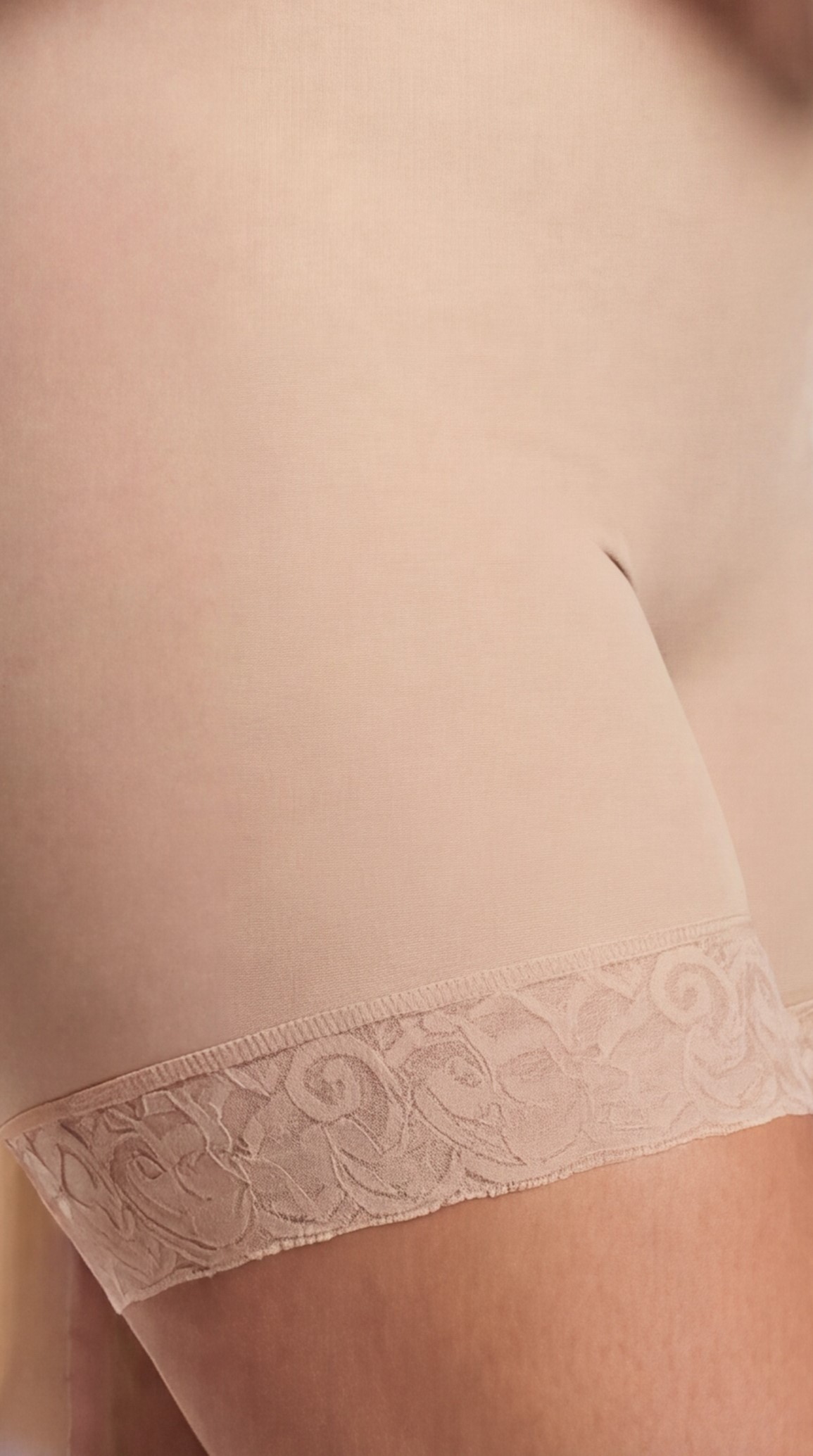
Black or nude? It feels like a coin flip. It's not. The wrong choice shows through every light-colored outfit you own, while the right choice disappears under everything.
Here's the logic, plus the smart hack for women who can only buy one color to start.
The Universal Rule
Buy the color that matches your skin tone, not the color of your outfit.
This seems backwards, but here's why: a faja that matches your skin tone disappears under any color outfit. A faja in the wrong color shows through light fabrics regardless of which color you picked.
Nude Faja: When It's the Right Choice
Nude (our specific shade is a warm beige) is the universal underlayer for:
- White, cream, ivory, or off-white dresses
- Light pastels (blush, light pink, mint, baby blue)
- Light denim or light gray
- Sheer or semi-sheer fabrics in any color
- Crisp white shirts tucked into bottoms
If you have light, medium-light, or olive-light skin tones, our nude shade blends in seamlessly. Even under a perfectly white wedding dress, the nude faja is invisible.
Skin tone match:
Nude works best for fair, medium-fair, light olive, and golden olive skin tones. If your skin is darker than medium olive, the nude may read slightly lighter than your skin, which is still better than black under white fabrics.
Black Faja: When It's the Right Choice
Black is the universal underlayer for:
- Dark dresses (black, navy, burgundy, hunter green, dark chocolate)
- Dark jeans and dark trousers
- Dark patterns where the background is dark
- Most evening and cocktail wear
Black is also the safer choice for women with deeper skin tones because it blends naturally under most dark outfits and doesn't create the "too-light" mismatch problem.
Skin tone match:
Black works for all skin tones — but specifically becomes the better "invisible" option for deep olive, bronze, brown, and rich espresso skin tones because nude shades commonly run lighter than these skin tones.
The "If You Can Only Buy One" Decision
Most women own a mix of light and dark outfits, so picking just one color feels stressful. The smart approach:
Buy the color that matches your most-worn outfits, not your skin tone.
- If 70%+ of your wardrobe is dark (black work clothes, dark jeans, dark dresses) → start with black
- If 70%+ of your wardrobe is light (white tees, light dresses, summer outfits) → start with nude
- If you're wearing it primarily for a wedding (yours or someone else's) → nude (white dresses dominate)
- If you're wearing it primarily for postpartum support under casual clothes → black (most postpartum outfits are dark)
Why Most Women Eventually Buy Both
Here's the real talk: one faja covers about 60-70% of outfit situations. The other 30-40% requires the opposite color. Once you've worn a faja under enough outfits, you realize you need both.
That's why the Snatched Duo Bundle works at $89.99 — you can buy one black and one nude as your two-faja set, covering every outfit color in your closet. Plus the bundle includes free Seamless Boyshorts, which we recommend in nude (more on that below).
The Boyshort Color Rule
Boyshorts layered over your faja should ALWAYS be nude, regardless of outfit color. Why: the boyshort sits at the thigh where your dress hits, and the lace trim on the boyshort is invisible only when it matches your skin tone through the dress fabric.
A black boyshort under a black dress sounds logical, but you can usually see the boyshort line through the dress from the back where the fabric stretches across your thigh. Nude boyshorts disappear regardless of dress color.
What Color Each Faja Looks Best With
Black Faja Looks Cleanest Under:
- Black bodycon and cocktail dresses
- Dark wash jeans + dark tops
- Burgundy, navy, dark green evening wear
- Black workwear (skirts, slacks, blazers)
- Most LBDs (Little Black Dresses)
Nude Faja Looks Cleanest Under:
- White or ivory wedding dresses
- Pastel dresses (blush, mint, sky blue, lemon)
- Light denim outfits
- Light gray, cream, beige professional wear
- White or light-colored T-shirt dresses and slip dresses
One More Thing About Color Mismatches
You'll occasionally see "mismatched" advice — black under white because "it looks bolder." That's a fashion choice for some looks, but for the "invisible foundation" goal that 99% of faja buyers want, match the skin tone or outfit color. Mismatched contrast is intentional styling, not the default.
The Bottom Line
Black for dark outfits, nude for light outfits, skin-tone match if you can only buy one. Eventually you'll want both — that's what the Snatched Duo Bundle exists for.
Don't overthink this. Pick the color that matches the half of your closet you wear more, and add the other one when you find yourself wishing you had it.