Postpartum Fajas: What's Real and What's Marketing
You've just had a baby. Everyone's selling you a 'belly band.' Here's what a real postpartum faja actually does, when to start wearing one, and what to ignore.
Postpartum recovery is a multi-billion dollar industry built on telling new moms that whatever they bought the week before isn't enough. So let's clear the noise.
Here's what a Faja Colombiana actually does after birth, what it doesn't do, when to start, and how to choose without getting sold a plastic belly band wrapped in clever marketing.
What a Postpartum Faja Actually Does
After childbirth (whether vaginal or C-section), your abdominal muscles have separated and your uterus needs 6-8 weeks to return to its pre-pregnancy size. A medical-grade faja provides:
- Gentle, even compression on the abdomen that supports separated muscles (diastasis recti)
- Lower back support for women whose core stability is temporarily compromised
- A consistent shape as the uterus contracts — preventing "hanging" weight that pulls on the lower back
- Confidence during the months your body doesn't feel like yours yet
What a Postpartum Faja Does NOT Do
This is where most marketing crosses the line. A faja is not a weight-loss tool. It will not:
- Burn fat or speed up metabolism
- Permanently change your body shape
- Heal diastasis recti on its own (only physical therapy + targeted exercise does that)
- Substitute for medical care from your OB/GYN or pelvic floor physical therapist
What it does do is provide consistent support during the months your body is healing. That support helps you walk longer, sit upright more comfortably, and carry your baby without straining your lower back. That's real value. The "melt your fat" claims are not.
When Can You Start Wearing One?
Always check with your OB/GYN first. The general guidelines:
Vaginal Birth
Most physicians clear new moms to start wearing gentle compression around 1-2 weeks postpartum, once initial swelling has subsided. Start with shorter wear times (2-3 hours) and build up gradually.
C-Section
C-section recovery requires more caution. Most physicians recommend waiting 4-6 weeks until the incision is fully healed before adding any external compression. When you do start, use a faja with a soft inner layer that doesn't rub the scar.
The Universal Rule
Stop wearing the faja if you feel pain, lightheadedness, or notice any discharge changes. Compression should feel snug and supportive — never painful or restrictive of breathing.
What to Look for in a Postpartum Faja
1. Adjustable Compression (Hook-and-Eye Closure)
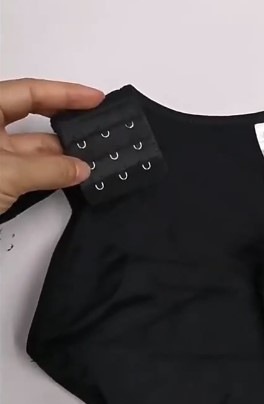
Your body is changing weekly during postpartum recovery. A faja with three rows of front hookslets you tighten as your uterus contracts and your shape settles. Pull-on shapewear with one fixed size becomes useless within a month.
2. Medical-Grade Compression, Not Extreme
You want enough compression to support, not so much that you can't breathe deeply. Avoid "extreme cinch" marketing — extreme compression on a healing core is counterproductive.
3. Breathable Fabric
Postpartum bodies are still flushing extra fluids. A breathable polyamide compression panel is far better than plastic-coated "sauna belts" that trap heat and cause skin irritation.
4. Zipper Crotch
Critical when you're still doing pad changes, postpartum hygiene, and frequent bathroom trips. A zipper crotch means you can manage all of that without undressing.
5. Built-In or Open-Bust
If you're breastfeeding, Open-Bust is the obvious choice — you can wear your own nursing bra underneath. If you're not, the Full Body Faja with built-in bra is simpler.
The Sauna Belt Trap (What to Avoid)
You've probably seen them on TikTok — "waist trainers" or "sauna belts" sold to new moms with claims about burning belly fat through sweating. Skip these. They:
- Cause skin irritation, rashes, and yeast infections in compromised postpartum skin
- Don't actually burn fat — you're just losing water weight that returns immediately
- Have no medical evidence behind their claims
- Are usually too tight for postpartum healing
A real Faja Colombiana is the opposite — engineered for support and gradual contouring, not magical fat loss.
How Long Should You Wear It Each Day?
- Weeks 1-2 (vaginal birth): 2-4 hours per day
- Weeks 3-6: 6-8 hours per day
- Weeks 6+: 8-10 hours per day as comfort allows
- Always remove for sleep — your body needs full recovery overnight
For more on safe wear time, read our complete safety guide on wear time.
Which Faja for Postpartum?
For most new moms, the Full Body Faja Colombiana ($41.99) is the right answer — the hook-and-eye closure adjusts week-by-week as your body changes, the built-in bra removes one decision from your already-overloaded day, and the medical-grade compression supports your lower back when you're carrying baby all day.
If you're breastfeeding, the Open-Bust Faja ($39.99) pairs with your nursing bra and gives you the same midsection support without the bust restriction.
The Bottom Line
A postpartum faja is a support tool, not a magic recovery device. Used correctly — with your physician's approval, as a comfort and support layer rather than a weight-loss promise — it helps you move through the first few months feeling more like yourself.
That alone is worth $41.99.